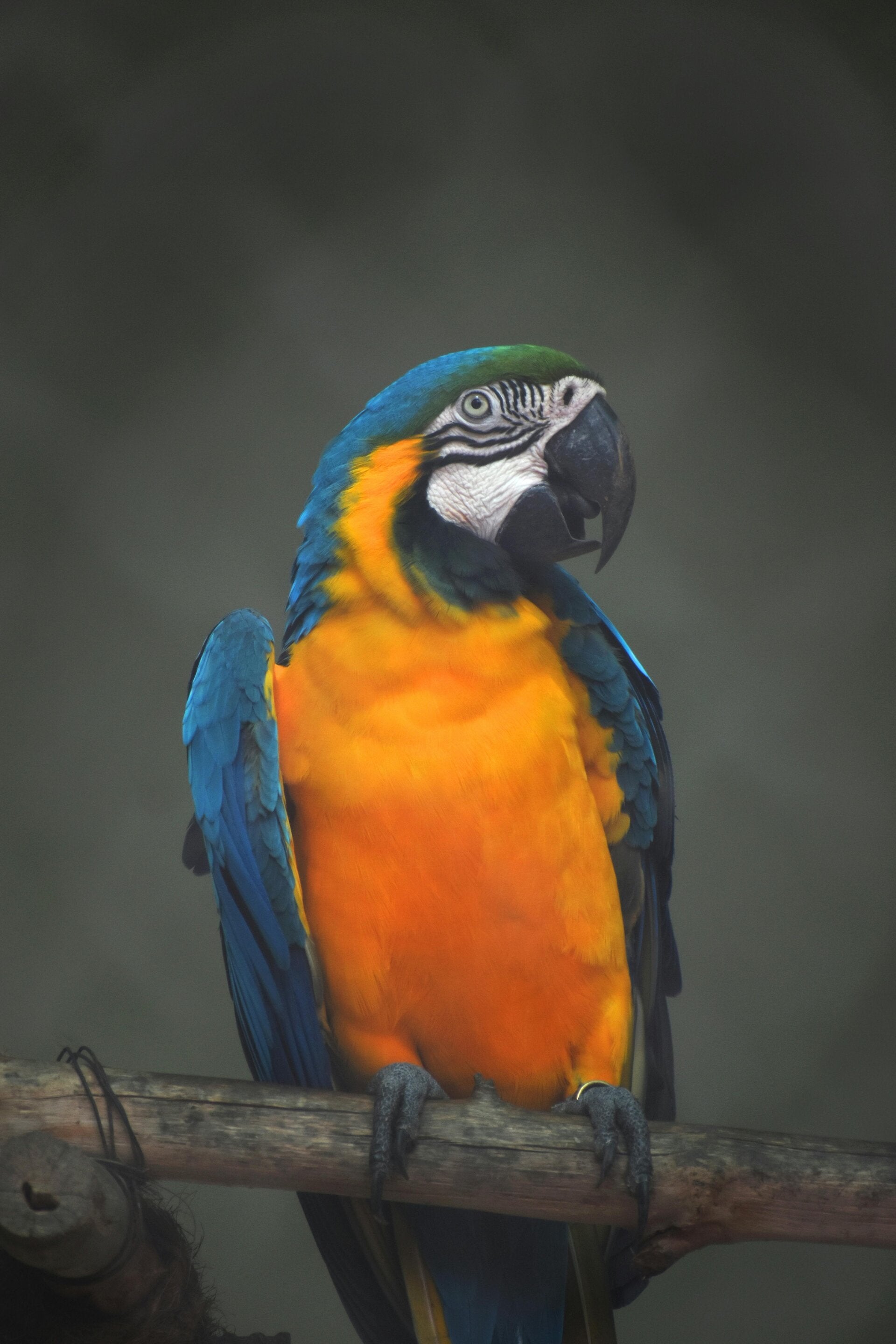
Welcome to Raptor House Parrots

Discover the joy of exotic birds and high-quality bird toys at Raptor House Parrots. We are dedicated breeders in Indianapolis, Indiana, passionate about raising healthy, happy parrots and crafting engaging toys for their enrichment.

Our passion for parrots and toys

At Raptor House Parrots, we offer more than just birds; we provide companions and enrichment. Explore our services designed to bring happiness to both you and your feathered friends.

Exotic bird breeding

We specialize in ethically breeding a variety of exotic parrots, ensuring each bird is well-socialized, healthy, and ready for their forever home. Our commitment is to their well-being from hatch to home.

Handcrafted bird toys

Beyond breeding, we handcraft durable and engaging bird toys. Designed with your parrot's natural instincts in mind, our toys promote mental stimulation and physical activity, ensuring a happy bird.

Care and guidance

We provide comprehensive guidance on parrot care, nutrition, and training. Our goal is to ensure a smooth transition for your new companion and a lasting, fulfilling relationship.

How to Bird-Proof Your Home
to Keep Pet Birds Safe!
As caregivers of our pet birds, we want to keep them as safe as possible. While it can be difficult to provide a 100% risk-free environment, it is still vital to know how to bird-proof your home for your feathered friends. Knowing about common household hazards for pet birds can help to minimize the risks to the birds in your home. Here are some household dangers to be aware of.
Teflon and birdsWhen heated above 400 degrees Fahrenheit, polytetrafluoroethylene (PTFE) coating (brand name Teflon) on cookware can instantly kill birds, and it is also a carcinogen. Avoid nonstick pans, air fryers, slow cookers, pressure cookers, cooking bags, self-cleaning ovens (or at least don’t use the self-cleaning cycle), and electrical appliances like hair dryers and space heaters that have Teflon as a component. Instead, use Teflon-free appliances and cookware made from materials such as stainless steel, ceramic, cast iron, stoneware, and Pyrex.
Aerosol sprays and cleaning productsAll aerosol sprays and chemical cleaning products are dangerous to birds, and the propellants used are toxic. Never use Lysol wipes, window cleaner, bleach-based cleaners, detergent-based cleaners, polishes, aerosol cleaner products, hardwood floor cleaner, carpet cleaner, hairspray, or spray deodorant in the same room where your bird is located. Spray room fresheners are especially toxic to birds because the scents used can fatally damage a parrot’s delicate respiratory system. Smoke from candles, incense burners, cigarettes, cigars, and vapingBoth scented and unscented candles and incense burners can be dangerous for pet birds in the home. Candle wicks contain heavy metals that can be toxic to birds, and the perfumes in scented candles can cause respiratory inflammation. Cigarette, cigar, and vape smoke is extremely dangerous, and those products should never be smoked in the home. Also, the hands of a smoker should be thoroughly washed before handling a parrot because residue can rub off on the bird’s feathers.Metal parts and piecesAny metal that is small and soft enough to be swallowed can cause life-threatening toxicity to a bird. To prevent zinc, nickel, or lead flakes from being ingested by your birds, use medical-grade stainless steel hardware as much as possible in their cages and play areas. Also, carefully check each toy before introducing it to your birds to make sure there are no parts that they might be able to ingest. 
PesticidesIn your birds’ air space, don’t use pesticides in any form (sprays, fly strips, foggers, powders, mothballs, flea collars, flea shampoos, and miticide discs). Avoid anything containing pesticides that your bird could ingest, inhale, or get stuck on.
Plywood and particleboardPlywood and particleboard wood products are toxic to birds. Use only raw, untreated wood to make perches, toys, play stands, and other items for your bird.
Houseplants toxic to birdsMany common houseplants and landscaping plants are toxic to birds, so you’ll want to ensure that your birds come in contact only with bird-safe plants. Please do provide bird-safe plants in and around their cages for them to chew and shred because it’s a source of enrichment. A comprehensive list of safe and unsafe plants can be found on the Planned Parrothood website.
SoilBesides houseplants that are toxic to birds, the soil itself can contain toxic pesticides and/or fertilizers. Even organic soils contain fungi that can cause deadly fungal infections in birds. If you choose to let your birds play with plants or wander in your yard, monitor them carefully to be sure they are not ingesting any soil.
Water hazardsStanding water presents a danger to pet birds in the household. Toilet bowls in particular can be a drowning danger because a bird is unable to get out of the slick interior of the toilet. For flighted birds, boiling water on the stove can also be a hazard.

Carbon monoxide leaks in a home can be fatal to birds at much lower levels than for humans, so a carbon monoxide detector is a good idea. In addition, be sure to keep your bird’s living area well-ventilated.
Saliva from humans, dogs, cats, and other omnivorous or carnivorous animals contains gram-negative bacteria against which birds have poor immunity. Allowing household pets to lick your birds, or allowing a bird to eat food from your mouth or stick their head in your mouth, puts the bird at risk of a potentially deadly bacterial infection. If there is a reptile in the home, be sure to wash your hands after handling the reptile to avoid potentially spreading salmonella. If your bird has any physical interaction with a cat, go to your avian vet immediately for medical treatment. Cat saliva and the bacteria on their claws are fatal to birds, so any injury must be considered a medical emergency.

Bird and Kids
Birds are remarkably fragile beings, and children can injure or crush a bird without realizing they are causing harm. It is important to teach your children how to interact safely with all the animals in your home, especially the delicate birds in your life. Birds can also be a danger to children; their sharp beaks can cause a nasty injury in the blink of an eye. Always supervise any interaction between children and your birds, teaching them how to interact respectfully with each other.

Community and support

Join our community of parrot enthusiasts! We offer ongoing support and resources to help you provide the best possible environment for your exotic bird.
Contact


47302-1647 Muncie Indiana 

Opening Hours

Mon - Fri: 8am - 5pm
Saturday: 8am - 5pm
Sunday: 8am- 5pm

Contact

(463) 248-7058 - Justina cell

( 463) 248-7059 Dane cell 

Socials
About us

It all began with a simple idea fueled by a deep passion. As a small business, we pride ourselves on personal attention and dedication to every detail. Our approach is rooted in quality and integrity, ensuring that everything we do reflects our commitment to excellence.

"Raptor House Parrots made our dream of owning an exotic bird a reality. Their birds are healthy and well-adjusted, and their toys are a hit!"

A satisfied customer from Indianapolis